Consistent kitchen performance is critical in commercial foodservice environments where equipment downtime can disrupt service, impact food quality, and increase operating costs. To protect reliability and extend equipment life, most successful operations rely on structured maintenance strategies. Two of the most widely used approaches are preventive maintenance and scheduled maintenance.
While both methods are designed to reduce failures and improve long-term performance, they differ in scope, timing, and application. Understanding how each approach works helps operators choose the right solution for their kitchen, equipment mix, and service demands.
Preventive Maintenance: Addressing Issues Before They Escalate
Preventive maintenance is a proactive service strategy focused on identifying early signs of wear or performance decline before equipment fails. These services are typically performed on a quarterly, semi-annual, or annual basis and concentrate on individual, high-value pieces of equipment.
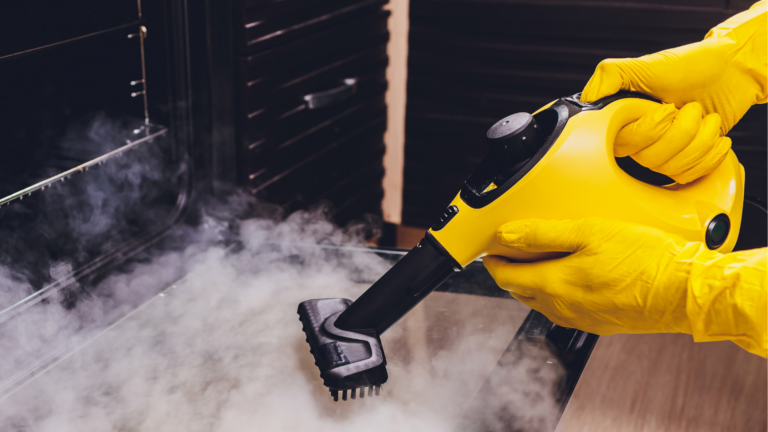
During a preventive maintenance visit, technicians inspect critical systems, make adjustments, clean components, and replace wear items such as belts, gaskets, seals, or filters. If potential issues are identified, they can often be corrected immediately or scheduled for follow-up service—reducing the likelihood of unexpected breakdowns.
Key Advantages of Preventive Maintenance
Long-Term Equipment Protection
By addressing minor issues early, preventive maintenance helps extend the usable life of equipment and protects capital investments.
Reduced Unplanned Downtime
Early detection limits emergency repairs and minimizes service interruptions during peak operating hours.
Focused Attention on Critical Assets
Preventive maintenance is commonly applied to mission-critical equipment such as fryers, refrigeration systems, clamshell grills, combi ovens, and other high-impact assets that directly affect daily operations.
Scheduled Maintenance: Consistent Care Across the Entire Kitchen
Scheduled maintenance follows a time-based service model, with maintenance tasks performed at predetermined intervals—often every 60 to 90 days—regardless of current equipment condition. Unlike preventive maintenance, which focuses on individual units, scheduled maintenance addresses multiple pieces of equipment across the kitchen in a structured and repeatable manner.
This approach provides a comprehensive view of kitchen performance and ensures all equipment receives regular attention throughout the year. Scheduled maintenance programs are especially valuable in high-volume or multi-unit operations where consistency, compliance, and predictability are priorities.
Key Advantages of Scheduled Maintenance
Predictable Service Intervals
Routine service visits allow operators to plan labor, budgets, and workflows without the uncertainty of emergency repairs.
Standardized Maintenance Practices
Consistent service tasks across equipment types reduce the risk of overlooked components and promote uniform performance.
Customizable to Each Operation
Scheduled maintenance programs can be tailored to the specific equipment lineup, usage patterns, and operational goals of each kitchen.
Comparing the Two Approaches
Both preventive and scheduled maintenance play important roles in supporting reliable kitchen operations, but their differences influence how and when they are best applied.
Preventive maintenance emphasizes condition-based inspections on individual, high-importance equipment at longer intervals. Scheduled maintenance emphasizes routine, time-based service across the entire kitchen at shorter intervals. Many successful foodservice operations incorporate elements of both strategies to balance proactive care with consistent oversight.
The right approach depends on factors such as equipment age, kitchen volume, operational complexity, and tolerance for downtime.
Supporting Long-Term Equipment Reliability
A well-planned maintenance strategy helps commercial kitchens operate more efficiently, reduce unexpected service costs, and maintain consistent food quality. Whether focusing on targeted preventive care or comprehensive scheduled service, structured maintenance supports safer, more reliable operations over time.
How Taylor Arizona Supports Maintenance Planning
Taylor Arizona works closely with foodservice operators to evaluate equipment needs and develop maintenance strategies that align with operational demands. Through factory-trained technicians, OEM expertise, and customized service programs, Taylor Arizona helps kitchens protect equipment performance, minimize disruptions, and plan confidently for long-term reliability.