Maintaining a clean frozen dessert machine is about more than meeting health standards, it’s a foundational practice that supports product quality, equipment longevity, and operational reliability. Whether an operator serves soft serve, frozen custard, or gelato, routine cleaning directly impacts how consistently a machine performs.
Taylor Arizona understands that cleaning can be one of the most time-consuming parts of running a dessert operation. That’s why equipment design, cleaning processes, and training support are all critical components of long-term success. Below is an operator-focused guide that explains why cleaning matters, how to build effective routines, and what steps help prevent avoidable downtime.
Why Cleaning Is the Cornerstone of Quality
Frozen dessert equipment relies on precise temperature control, smooth dispensing mechanisms, and sanitary product pathways. Even minor residue buildup can affect texture, flavor, and freezing performance. Over time, deposits can create blockages, interfere with seals, or cause uneven freezing.
Why Routine Cleaning is Essential
- Maintaining consistent product texture and taste
- Preventing bacterial growth and food safety risks
- Reducing the likelihood of mechanical issues
- Preserving the efficiency of cooling and dispensing systems
When machines are clean, they operate closer to their intended performance levels, especially during peak service periods.
Daily Cleaning: A Simple Routine with Big Benefits
Daily cleaning is the most effective way to prevent buildup and protect machine components. While exact steps may vary by model, most soft serve machines follow a similar daily process:
- Rinse with warm water to remove product residue
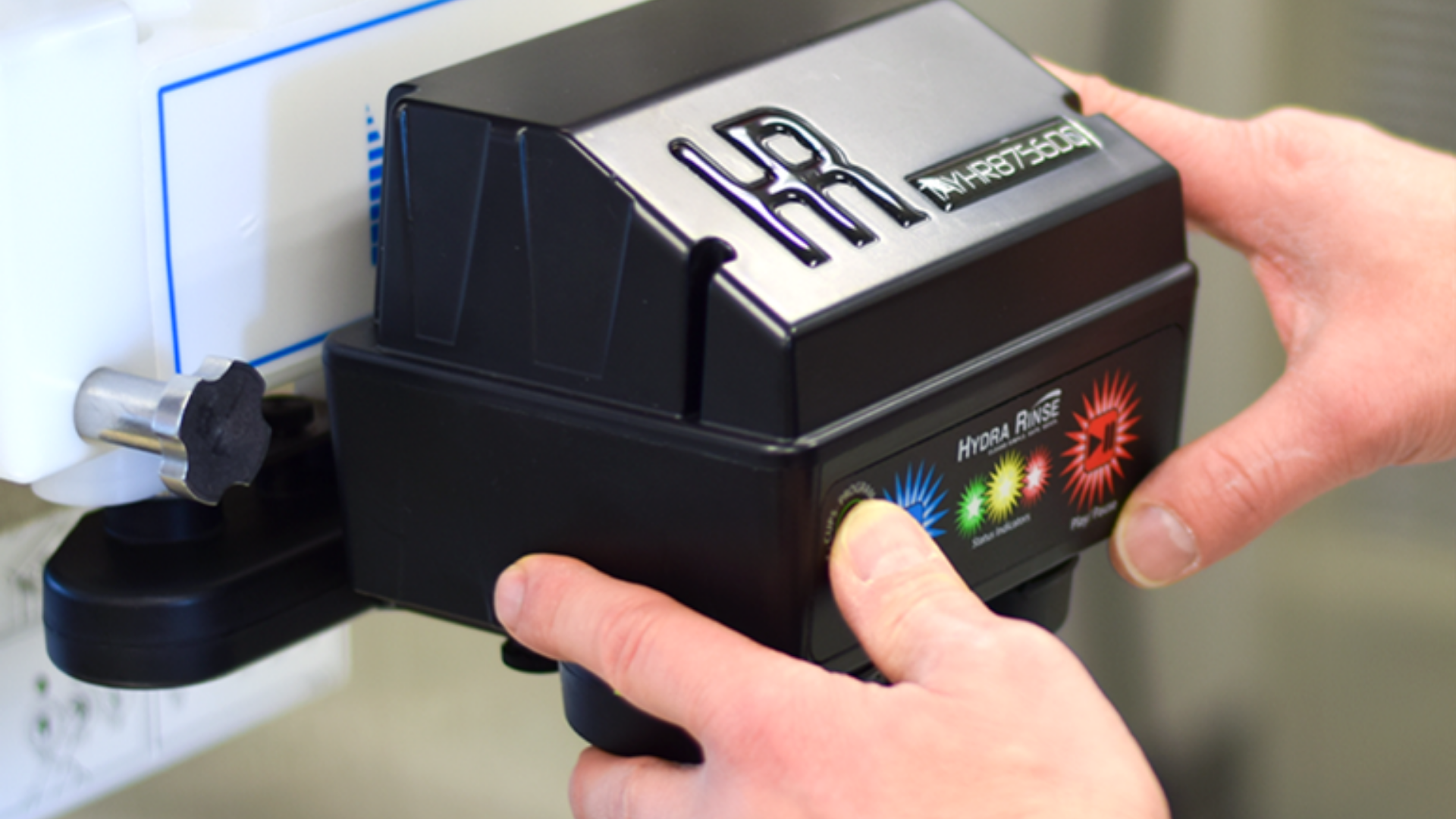
- Run the machine’s cleaning cycle as specified in the operator manual
- Disassemble key parts for cleaning and sanitizing
- Wipe down all accessible surfaces, inside and out
- Air dry or towel dry parts before reassembly
A consistent end-of-day cleaning routine reduces the risk of clogs, improves machine performance, and makes weekly deep cleaning more efficient.
Cleaning Is Preventive Maintenance in Action
Cleaning isn’t just about sanitation, it’s a preventive maintenance strategy. Sticky valves, slow dispensing, and inconsistent freezing are often early warning signs of missed cleaning steps. By keeping equipment clean, operators reduce mechanical strain and help seals, gaskets, and moving parts last longer.
Routine cleaning also makes it easier to identify early signs of wear or damage, such as:
- Cracked or worn seals
- Discolored components
- Persistent residue buildup
- Unusual noises or inconsistent product flow
When operators connect cleaning to performance, they can address small issues before they become costly repairs.
Tools & Products That Support Effective Cleaning
Using the right supplies can improve cleaning effectiveness and reduce the risk of equipment damage. Operators should consider:
- Food-safe cleaners and sanitizers that meet local health regulations
- Brushes designed for frozen dessert equipment to avoid damaging components
- Lint-free cloths for wiping surfaces
- Manufacturer-approved replacement parts when needed
Following the manufacturer’s cleaning guidelines is essential for maintaining performance and protecting long-term equipment value.
Training: The Key to Consistent Cleaning
A reliable cleaning routine starts with a well-trained team. Operators should ensure staff members understand:
- Correct disassembly and reassembly procedures
- Cleaning and sanitizing steps
- Proper drying techniques
- Daily vs. deep-clean expectations
Regular training refreshers and clear checklists help ensure consistency, reduce errors, and support product quality during busy service hours.
Scheduling Deep Cleaning and Preventive Service
Daily cleaning keeps a machine running, but periodic deep cleaning preserves long-term performance. Deep cleaning typically involves fully disassembling the unit, inspecting components, and replacing worn parts such as O-rings, seals, and gaskets.
Best Practices for Deep Cleaning & Preventive Equipment Care
- Weekly deep cleaning intervals based on usage
- Scheduled preventive maintenance checks
- Certified technician support for equipment diagnostics
These deeper cleaning routines help protect the machine’s performance and extend its operational life.
Clean Equipment Today, Better Performance Tomorrow
A well-maintained machine delivers consistent texture, faster service, and fewer interruptions. Cleaning is a core part of protecting the investment in frozen dessert equipment and ensuring operators can serve quality products reliably.
How Taylor Arizona Can Help
Taylor Arizona supports operators with equipment guidance, maintenance planning, and authorized service through a network of trained technicians. From operator training to preventive maintenance and genuine replacement parts, Taylor Arizona helps ensure cleaning routines are effective and machines stay dependable over time.