In commercial kitchens and food processing environments, cleanliness goes far beyond appearances. Equipment that handles food, dairy, oils, and sugars is constantly exposed to residue that can affect performance, safety, and longevity. Over time, grease films, food particles, and airborne contaminants can settle into hard-to-reach areas, creating sanitation challenges that routine wiping alone cannot address.
Steam cleaning has become a valuable method for addressing these challenges. When used correctly, steam provides a powerful, efficient way to loosen buildup, sanitize surfaces, and support long-term equipment reliability—without relying solely on harsh chemicals or excessive water.
What Is Steam Cleaning in Commercial Food Environments?
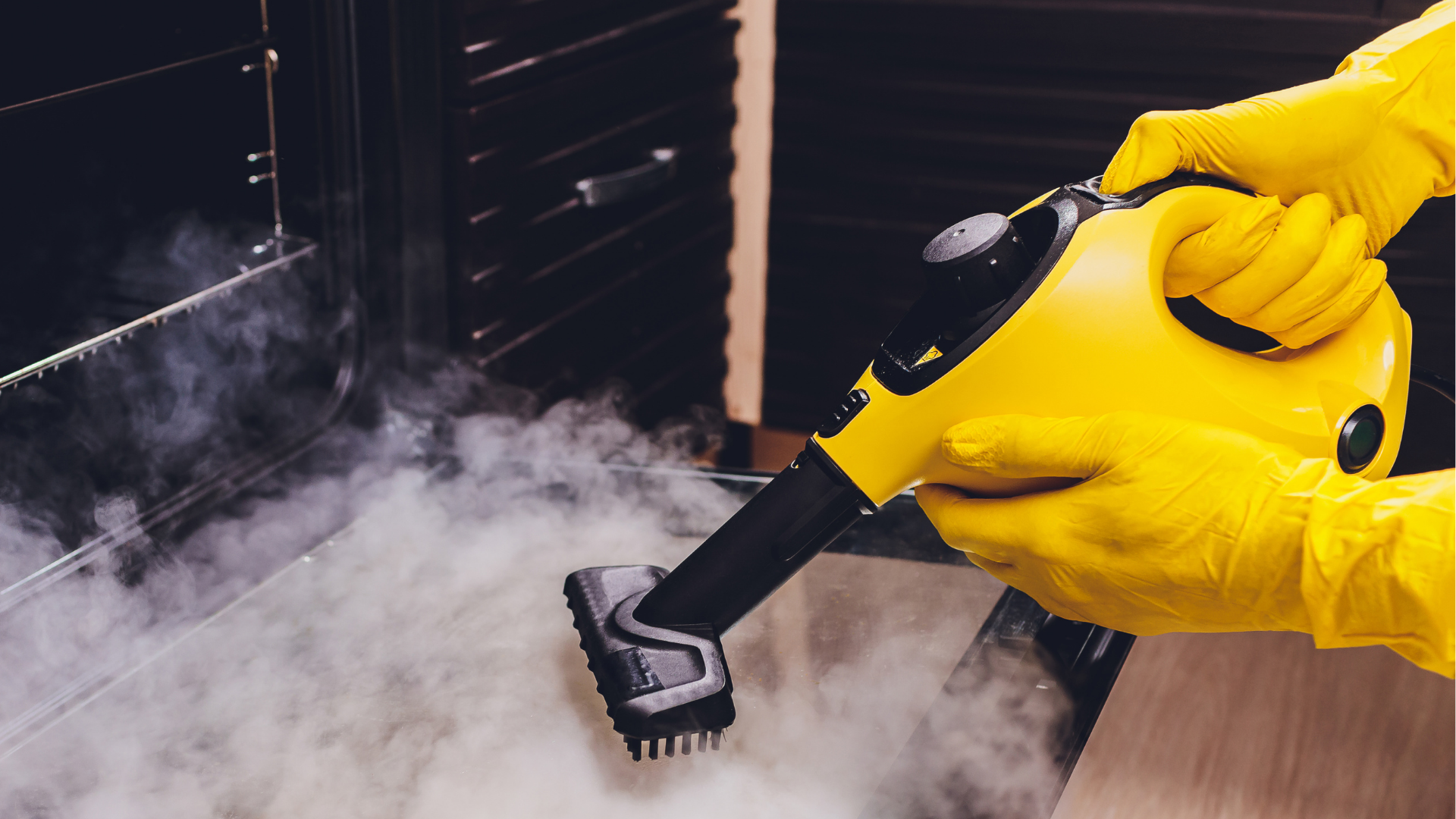
Steam cleaning uses heated water vapor to remove grease, residue, and contaminants from equipment and surfaces. Unlike pressure washing or soaking methods, steam cleaning applies controlled heat and moisture to penetrate crevices, dissolve buildup, and lift soils from surfaces.
In foodservice applications, steam cleaning is commonly used as a supplemental deep-cleaning method, not a replacement for daily sanitation procedures required by health codes. It is particularly effective for areas where oils, sugars, and proteins accumulate over time.
Why Steam Cleaning Is Effective for Foodservice Equipment
Foodservice environments introduce a unique mix of contaminants—fats, starches, dairy proteins, and airborne oils—that tend to cling to metal surfaces. Steam cleaning addresses these challenges by combining heat and moisture in a way that breaks down residue efficiently.
Steam cleaning also supports effective sanitation by using sustained high temperatures to compromise the structural integrity of microorganisms. The heat causes cell membranes to break down, rendering common bacteria such as E. coli and Salmonella, as well as viruses including influenza and SARS-CoV-2, inactive. Because steam can move into microscopic crevices and porous surfaces, it addresses contamination in areas that traditional wiping or chemical-based cleaning methods may not fully reach, delivering a deeper, more consistent level of cleanliness.
Key Benefits of Steam Cleaning
- Enhanced sanitation
- Improved soil removal without aggressive scrubbing
- Reduced chemical dependence in certain cleaning applications
- Access to tight spaces where buildup often hides
- Support for equipment performance by keeping components clean
Steam does not leave abrasive residue behind, making it suitable for stainless steel, aluminum, and many food-contact surfaces when used according to manufacturer guidelines.
Common Applications for Steam Cleaning in Foodservice
Steam cleaning can be used across a wide range of foodservice and processing environments when applied correctly and safely.
Commercial Kitchens
In high-volume kitchens, steam cleaning is often used for:
- Grills and cooking surfaces
- Vent hoods and splash zones
- Floor drains and wall junctions
- Equipment exteriors and frames
- Refrigeration surfaces with grease or residue buildup
These areas are prone to airborne oils and splatter that spread beyond immediate cooking zones.
Frozen Dessert and Beverage Equipment Areas
Frozen dessert operations introduce sugar, dairy, and sticky residues that can harden over time. Steam cleaning can assist with:
- Exterior panels and frames
- Drip trays and surrounding surfaces
- Non-electrical structural components
- Hard-to-reach crevices near dispensing zones
Steam cleaning should always be performed according to manufacturer recommendations and never on sensitive internal components unless approved.
Food Processing & Packaging Areas
Facilities that handle raw ingredients or packaged foods may use steam cleaning to support sanitation of:
- Conveyor frames and rollers
- Storage racks and shelving
- Floors, drains, and walls
- Non-submerged mechanical surfaces
Because these environments often operate continuously, steam cleaning can help reduce downtime when scheduled strategically.
Steam Cleaning & Food Safety Considerations
While steam cleaning can aid sanitation, it must always align with food safety standards. Operators should ensure:
- Surfaces are compatible with heat and moisture
- Electrical components are protected
- Approved sanitation steps follow cleaning
- Equipment is fully dry before returning to service
- Cleaning procedures comply with local health regulations
Steam cleaning is most effective when integrated into a broader sanitation program that includes daily cleaning, routine inspections, and preventive maintenance.
Reducing Wear While Improving Performance
Residue buildup doesn’t just create sanitation risks—it can also impact equipment performance. Grease films and hardened sugars can:
- Interfere with heat transfer
- Restrict airflow
- Stress seals and moving parts
- Contribute to corrosion over time
By periodically removing buildup, steam cleaning supports smoother operation and helps equipment perform closer to its designed specifications.
Training and Consistency Matter
Like any cleaning method, steam cleaning is only effective when used correctly. Staff training is essential to ensure:
- Proper application techniques
- Awareness of safe surfaces and components
- Consistent cleaning results
- Protection of equipment warranties
Clear procedures and checklists help ensure steam cleaning enhances—not replaces—standard sanitation practices.
A Practical Tool in a Complete Maintenance Strategy
Steam cleaning is not a cure-all, but it is a valuable tool when used as part of a comprehensive equipment care program. Combined with daily cleaning routines, scheduled deep cleans, and authorized service support, it helps operators maintain cleaner environments with less disruption.
How Taylor Arizona Supports Smarter Cleaning Practices
Taylor Arizona works with foodservice operators to support proper equipment care through training, maintenance planning, and authorized service. By helping operators understand cleaning methods—including when and where steam cleaning is appropriate—Taylor Arizona helps protect equipment performance, sanitation standards, and long-term reliability.
With the right approach, steam cleaning becomes another way to support safe operations, consistent output, and dependable equipment performance.