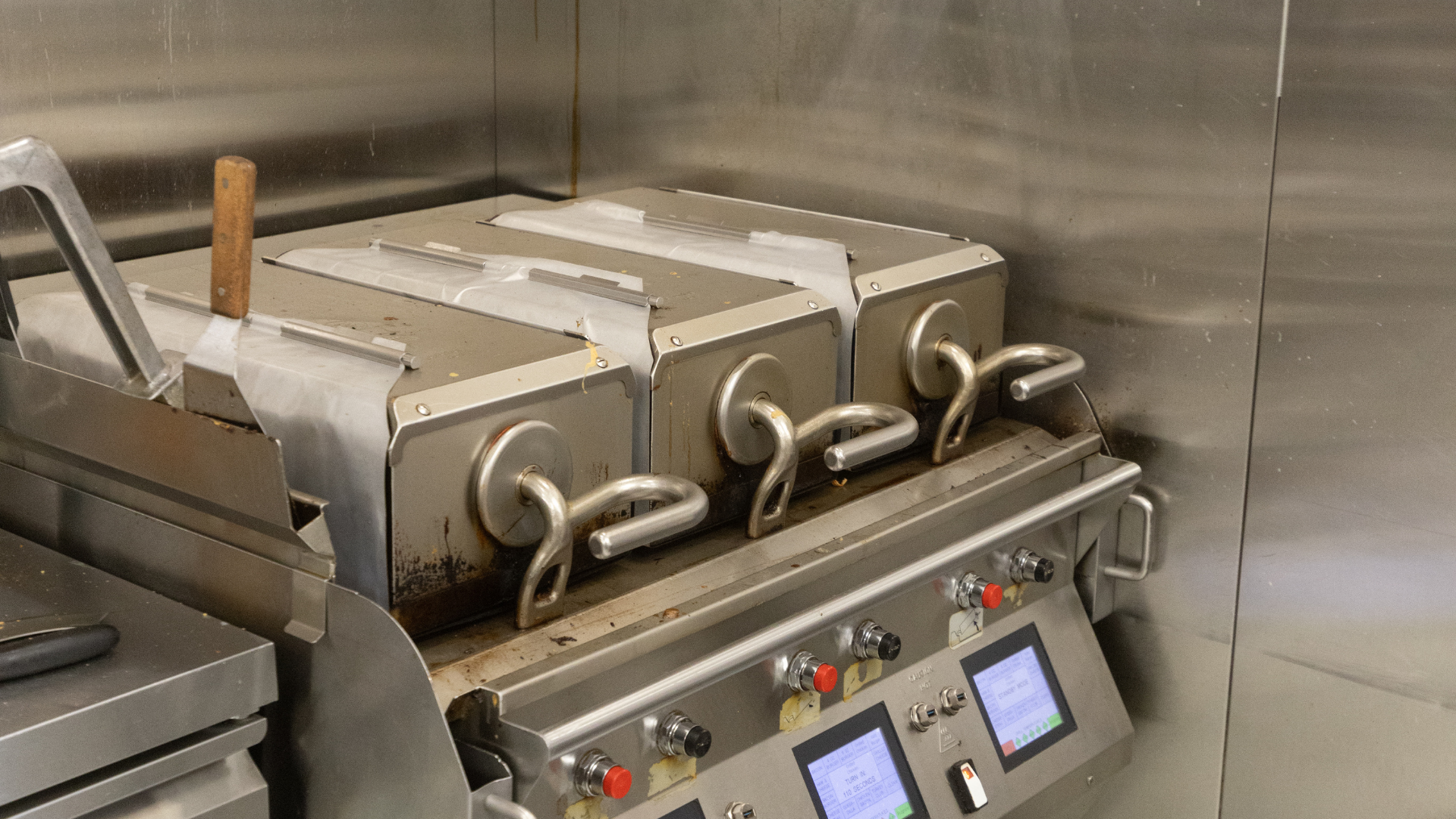
In fast-paced foodservice environments, a commercial grill is more than just a cooking appliance—it is a central component of kitchen workflow and menu execution. For operators serving large volumes of customers, choosing the right grill can directly impact speed, consistency, and overall profitability.
Taylor Arizona approaches grill selection with practical expertise, focusing on equipment that supports heavy use, reliable performance, and long-term value. This guide outlines the key considerations that help operators select a grill that matches their menu, space, and production needs.
What to Consider in Selecting a Commercial Grill
1. Evaluate Your Kitchen’s Production Requirements
Before selecting a commercial grill, it is important to assess how the kitchen operates. High-volume kitchens require equipment that supports consistent output during peak periods, so operators should consider:
- Menu items and cooking techniques (e.g., burgers, steaks, breakfast items)
- Daily output and peak hour volume
- Cooking speed requirements
- Number of cooking stations and workflow layout
A grill with multiple cooking zones or a larger cooking surface can help staff maintain consistent throughput without compromising quality. Understanding these needs will help narrow down the best grill type for the operation.
2. Compare Grill Types Based on Menu and Workflow
Different grill types offer distinct advantages depending on menu style and kitchen setup:
Gas Grills
- Quick heat-up and responsive temperature control
- Ideal for kitchens with existing gas infrastructure
- Often preferred for searing and high-heat cooking
Electric Grills
- Easier to install in kitchens without an existing gas line
- Can offer strong energy efficiency and consistent temperature
- Often favored for controlled, steady cooking
Flat Top Grills
- Versatile for burgers, breakfast items, and mixed menus
- Large cooking surface supports high-volume output
- Allows for simultaneous cooking of multiple items
Selecting the right grill type depends on the kitchen’s cooking needs, available utilities, and production volume.
3. Focus on Efficiency, Durability, and Construction
High-volume kitchens demand durable equipment built to withstand constant use. When comparing models, operators should look for:
- Stainless steel construction for long-term durability
- Robust heating elements for consistent performance
- Adjustable heat zones for versatile cooking
- Efficient energy use to manage operating costs
Durability is particularly important for grills that operate for long shifts, day after day. A well-built grill reduces downtime, maintenance needs, and replacement costs over time.
4. Choose Features That Improve Workflow and Safety
Features that support efficiency and staff safety can significantly improve kitchen performance. Key features to consider include:
- Multiple heat zones for cooking different foods at once
- Easy-to-clean surfaces to reduce downtime for cleaning
- Temperature controls for consistent cooking results
- Safety features such as cool-touch handles and automatic shut-offs
These features support a smoother workflow and reduce the risk of accidents in busy kitchens.
5. Consider Maintenance and Operator Training
A commercial grill will only perform reliably if it is maintained and used correctly. A maintenance routine should include:
- Daily cleaning of grates and cooking surfaces
- Regular inspection of burners, controls, and safety components
- Scheduled maintenance to prevent build-up and wear
Training staff on proper grill use is equally important. Consistent operation and cleaning practices help reduce breakdowns and extend equipment life. Taylor Arizona emphasizes operator training and best practices to support long-term equipment performance.
Additional Considerations Before Purchase
Before finalizing a purchase, operators should consider:
- Reviews and real-world performance
- Supplier reliability and parts availability
- Kitchen space and ventilation requirements
- Installation needs and utility connections
Selecting a trusted supplier ensures access to replacement parts and technical support, which is crucial for high-volume operations.
Why Equipment Choice Matters in High-Volume Kitchens
Choosing the right commercial grill is a strategic decision that affects speed, consistency, and long-term operational costs. A properly matched grill supports staff efficiency, menu quality, and overall kitchen reliability—especially during peak hours.
How Taylor Arizona Supports Commercial Grill Selection
Taylor Arizona provides guidance and support to help operators select commercial grills that align with their menu, volume, and kitchen layout. With a focus on durable construction, consistent performance, and long-term value, Taylor Arizona helps operators make informed equipment decisions and maintain reliable operations.