Modern foodservice operations continue to evolve at a rapid pace. From automated cooking platforms to intelligent refrigeration and heat-treatment systems, today’s equipment is designed to increase consistency, reduce labor strain, and improve overall efficiency. Yet technology alone does not guarantee success. The real opportunity lies in how well teams are prepared to adopt, understand, and use these tools every day.
For many operations, the introduction of advanced equipment brings both excitement and uncertainty. While innovation promises improved performance and profitability, it also introduces new processes, training requirements, and operational shifts that must be managed carefully.
The Human Side of Equipment Innovation
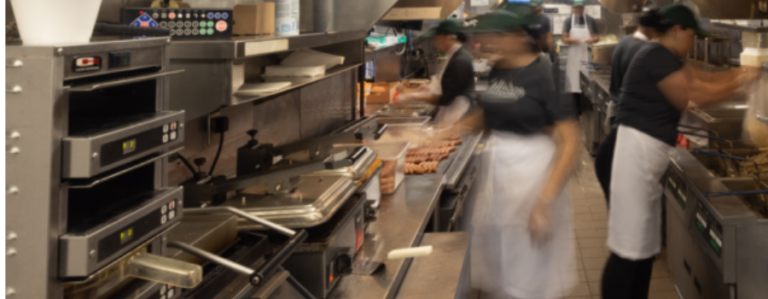
One of the most overlooked challenges in adopting new foodservice technology is cultural rather than mechanical. Many kitchens have operated for years using labor-intensive methods built around experience and routine. While those systems may have worked in the past, they can be difficult to sustain in today’s labor environment.
When new equipment is introduced without addressing established habits and workflows, teams may resist change—not out of reluctance, but uncertainty. Successful technology adoption requires more than installation; it requires a thoughtful approach to how people interact with equipment.
Aligning the right technology with the right training helps teams see innovation as a tool for support rather than disruption.
Why Training Determines ROI
Capital investments in modern equipment are often made to solve operational challenges—speed, consistency, labor efficiency, or food quality. However, without structured training, even the most advanced equipment may fall short of expectations.
Effective training begins with ensuring the equipment is properly installed, programmed, and stocked with the correct products. From there, training should focus on practical, day-to-day usage that reflects real kitchen conditions.
When training is delivered with clarity and intention, operators see immediate improvements in performance, confidence, and consistency.
Building Effective Equipment Training Programs
The most successful training programs share several key principles:
Bottom-Up Learning
Training is most effective when it starts with the employees who use the equipment daily. Inclusive group sessions encourage engagement, consistency, and shared accountability.
Practical, Task-Focused Instruction
Short, focused lessons centered on everyday tasks—startup procedures, recipe selection, in-shift cleaning, and end-of-day breakdown—allow staff to absorb information without overwhelming them.
Hands-On Participation
Every team member should have the opportunity to interact directly with the equipment. Active participation builds confidence and reinforces proper technique.
Product-Specific Training
Cooking and serving the actual menu items during training allows employees to experience firsthand how technology improves quality, speed, and consistency.
Open Dialogue & Feedback
Encouraging employees to discuss how new equipment fits into their routines helps reinforce that technology is designed to improve their work—not replace it.
Positive, Engaging Environment
Training should be efficient, supportive, and engaging. When learning feels productive rather than disruptive, teams are more likely to retain information and apply it consistently.
Investing in People Through Technology
The most effective operations view equipment investment and staff development as inseparable. Advanced equipment performs best when supported by knowledgeable, confident operators who understand its value.
By pairing modern foodservice technology with thoughtful training and ongoing support, businesses create environments where employees are empowered to succeed—and where equipment delivers its full potential.
How Taylor Arizona Supports Smarter Operations
Taylor Arizona helps foodservice operators maximize the value of their equipment investments through expert guidance, professional training, and factory-authorized support. From installation and programming to staff education and long-term service strategies, Taylor Arizona ensures that technology works in harmony with the people who use it every day.