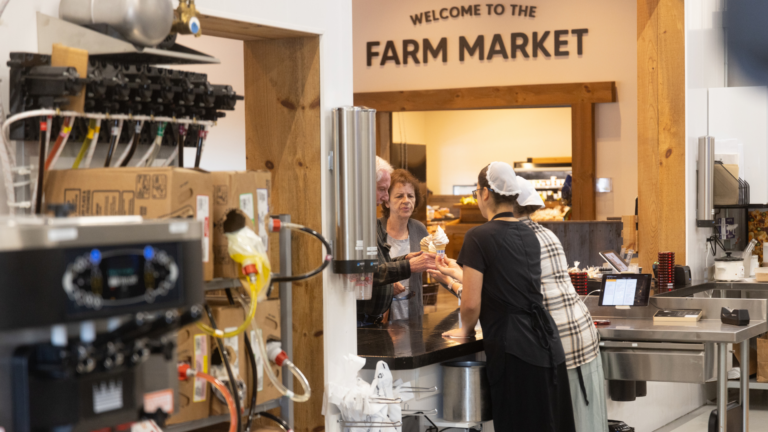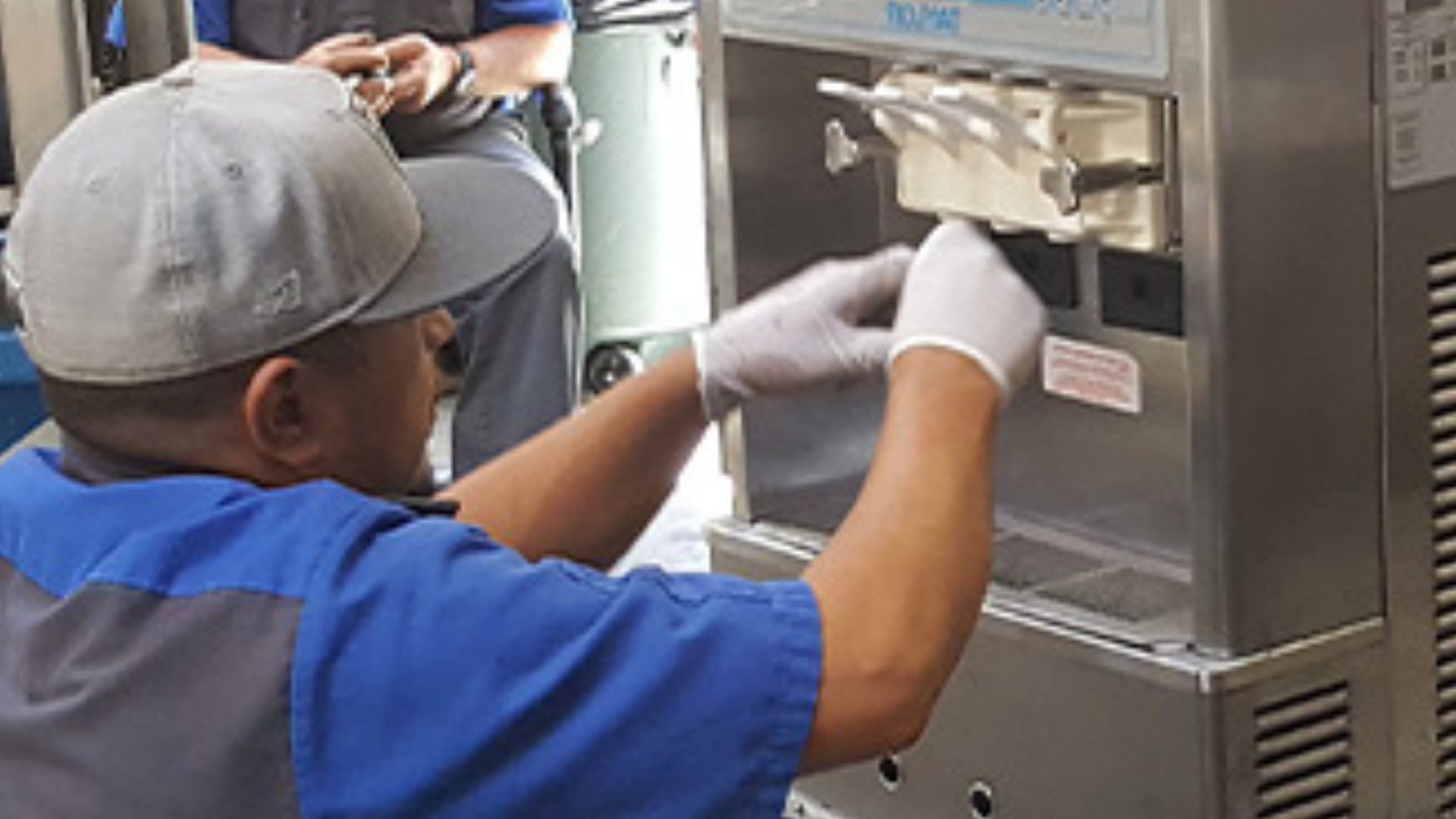
In a commercial kitchen, equipment downtime is not merely inconvenient—it can interrupt service, strain staff, and impact customer satisfaction. For operators relying on frozen dessert, beverage equipment, and grills, the cost of unexpected repairs can quickly add up. A structured preventive maintenance program helps prevent breakdowns, extends equipment life, and supports consistent performance during peak periods.
Taylor Arizona emphasizes preventive maintenance as a foundational strategy for reliable operations. When equipment is cared for proactively, operators experience fewer service interruptions, lower long-term costs, and a stronger return on investment.
Benefits of Preventative Maintenance
1. Preventive Maintenance Reduces Repair Costs
Preventive maintenance reduces repair costs by identifying minor issues before they become major failures. A preventive maintenance checklist for commercial kitchen equipment includes routine inspections, cleaning, and performance checks. These tasks help detect early signs of wear—such as loose connections, worn seals, or clogged components—before they escalate into costly repairs.
Regular preventive service is especially important for high-volume equipment like soft serve machines, frozen beverage units, and refrigeration systems, where consistent performance is critical to operations.
2. Extend Equipment Lifespan Through Routine Care
The most compelling benefit of preventive maintenance is extending equipment life. Regular maintenance tasks help prevent premature wear and protect critical components from damage.
For example, keeping refrigeration systems clean and properly maintained prevents overworked compressors, while regular inspection of seals and gaskets reduces energy loss and product spoilage. This proactive approach reduces the need for early replacements and improves long-term performance.
To protect warranty coverage, maintenance should be performed by authorized Taylor technicians and distributors using genuine Taylor parts.
3. Minimize Downtime in Busy Kitchens
Downtime in a high-volume kitchen can be costly, resulting in lost sales, rushed staff, and reduced customer satisfaction. Preventive maintenance helps minimize downtime by scheduling inspections and maintenance tasks during off-peak hours. This reduces the likelihood of unexpected failures during peak service times.
Regular maintenance also supports more predictable performance from equipment such as freezers, soft serve machines, and beverage systems. Operators can rely on consistent output and smoother operations when equipment is serviced on a schedule.
4. Train Staff to Support Preventive Maintenance
A successful maintenance program includes staff training. Employees who understand basic preventive maintenance tasks—such as cleaning filters, checking seals, and monitoring equipment performance—can help identify issues early and reduce the risk of breakdowns.
Training also promotes consistent cleaning and operational practices, which improves equipment performance and extends equipment life. Taylor Arizona emphasizes training as part of a comprehensive maintenance strategy, helping teams operate equipment confidently and efficiently.
5. Measuring the ROI of Preventive Maintenance
The benefits of preventive maintenance extend beyond cost savings. A preventive maintenance program improves equipment reliability, reduces energy consumption, and supports consistent performance. These outcomes contribute to measurable ROI through:
- Lower emergency repair costs
- Fewer unplanned shutdowns
- Extended equipment lifespan
- Reduced energy use and utility costs
- Better product consistency and customer experience
Tracking maintenance schedules, repair history, and equipment performance helps operators understand the financial impact of preventive care.
Frequently Asked Questions About Preventive Maintenance
What is preventive maintenance and why is it important?
Preventive maintenance includes routine inspections, cleaning, and servicing to keep equipment in optimal condition. It is essential for preventing breakdowns, extending equipment life, and ensuring consistent performance.
How does preventive maintenance reduce repair costs?
By catching issues early, preventive maintenance reduces emergency repair needs and prevents costly breakdowns.
What are the key components of an effective maintenance program?
A strong program includes a preventive maintenance checklist, staff training, scheduled service, and access to authorized technicians and genuine parts.
How do you measure the ROI of preventive maintenance?
Track reduced repair costs, fewer service interruptions, extended equipment lifespan, and lower energy expenses to quantify the financial benefits.
How Taylor Arizona Supports Preventive Maintenance
Preventive maintenance is a proactive strategy that protects equipment performance, reduces service interruptions, and supports long-term profitability. Taylor Arizona supports operators with authorized service, genuine Taylor parts, and preventive maintenance resources designed for frozen dessert and beverage equipment.
For operators seeking reliable performance and long-term equipment value, Taylor Arizona can help design a preventive maintenance plan that fits the needs of their operation.