Equipment Decisions That Shape Long-Term Success
Commercial kitchen equipment plays a far greater role than simply supporting daily food preparation. The right equipment choices influence workflow efficiency, food quality, operating costs, and long-term reliability. For restaurant owners and foodservice operators, selecting equipment is both a strategic and financial decision—one that deserves careful evaluation.
Understanding how equipment aligns with a business’s menu, volume, space, and growth plans helps reduce costly mistakes and ensures the kitchen is built to perform consistently under real-world demands.
Why Equipment Quality Matters in Commercial Foodservice
Performance, Consistency & Reliability
Commercial kitchens operate under intense pressure. Equipment must perform reliably during peak hours while delivering consistent results. High-quality equipment is designed to withstand continuous use, maintain precise temperatures, and produce uniform output—factors that directly impact customer satisfaction.
Reducing Downtime and Unexpected Costs
Inferior or mismatched equipment increases the likelihood of breakdowns, service interruptions, and emergency repairs. Over time, these disruptions often cost more than the initial savings of purchasing lower-quality equipment.
Understanding Core Categories of Commercial Kitchen Equipment
While every kitchen is unique, most foodservice operations rely on several foundational equipment categories:
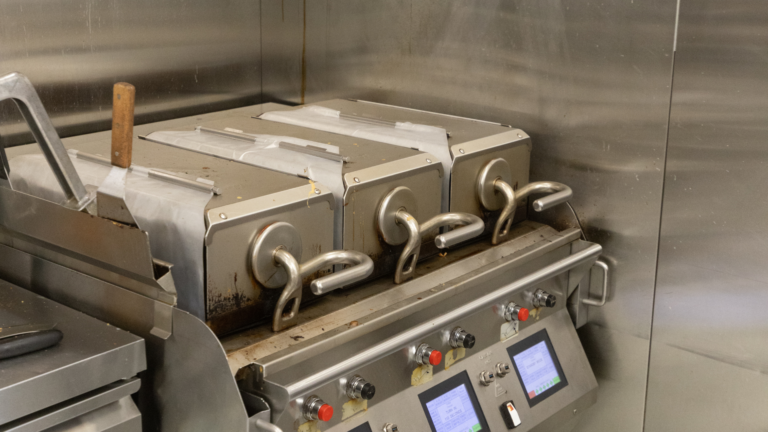
- Cooking Equipment: Ovens, ranges, fryers, grills, and griddles
- Cold Storage: Reach-in refrigerators, freezers, and prep tables
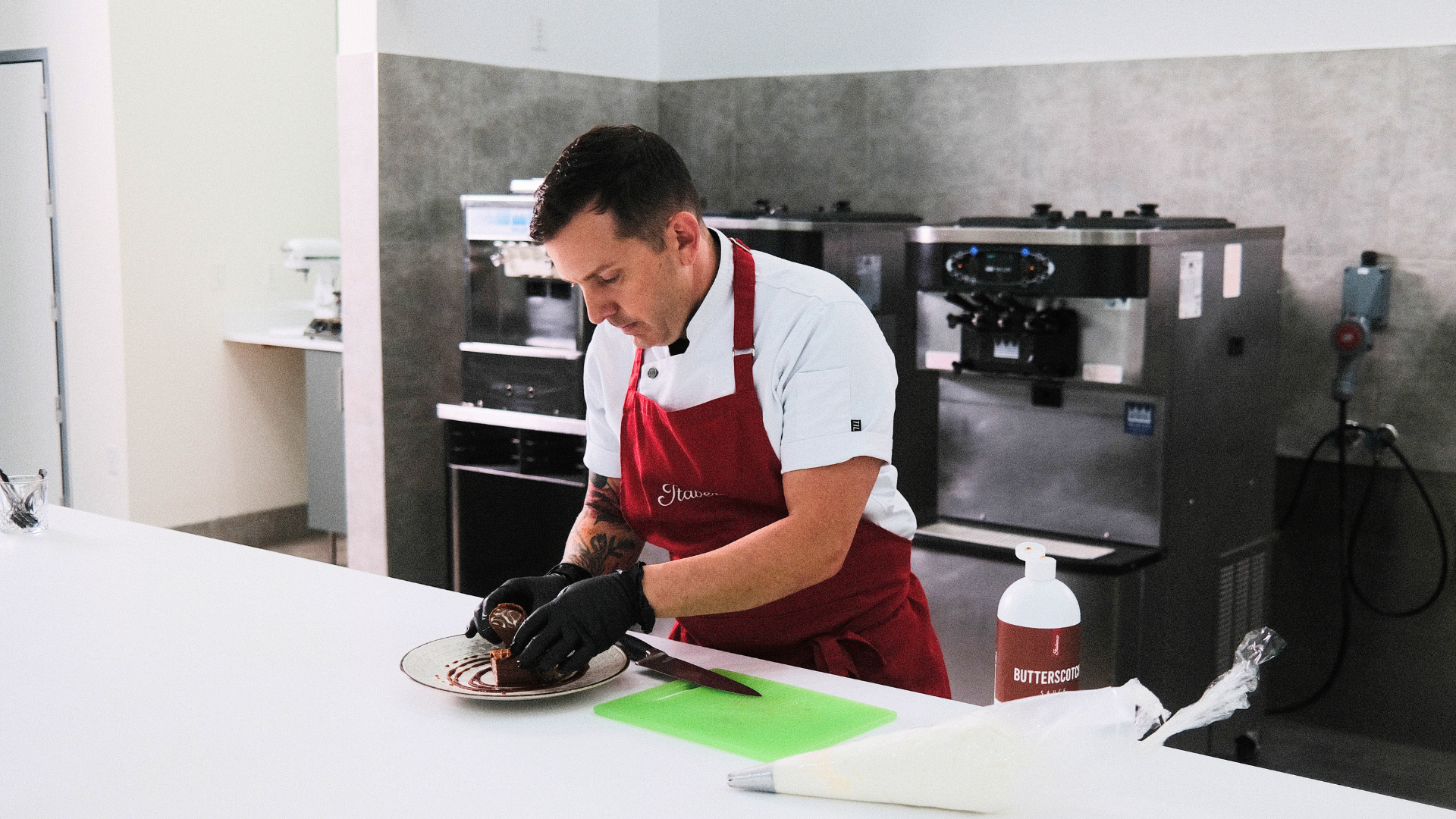
- Specialty Equipment: Ice cream machines, beverage dispensers, and coffee systems
- Holding & Support Equipment: Warming cabinets, holding units, and prep stations
Each category supports a specific operational function, and selecting the correct specifications within each category is essential.
Matching Equipment to Your Menu & Service Style
Menu Drives Equipment Needs
The menu should always guide equipment decisions. A high-volume quick-service operation requires speed, recovery time, and throughput, while a full-service restaurant may prioritize versatility and precision. Frozen dessert concepts, for example, demand equipment engineered specifically for consistent texture, temperature control, and sanitation.
Service Volume and Production Demands
Understanding daily volume, peak demand periods, and future growth projections helps determine capacity requirements. Equipment undersized for demand leads to bottlenecks, while oversized equipment can waste energy and space.
Planning for Kitchen Space & Workflow
Layout Efficiency Matters
Commercial kitchens function best when equipment placement supports a logical workflow—from receiving and storage to preparation, cooking, and service. Equipment that fits the physical footprint while allowing staff to move efficiently improves productivity and reduces fatigue.
Ventilation, Utilities & Clearances
Equipment selection must also account for ventilation requirements, electrical capacity, plumbing access, and service clearances. These considerations are critical for code compliance, performance, and long-term serviceability.
Budgeting Beyond the Purchase Price
Total Cost of Ownership
The true cost of equipment extends beyond the initial purchase. Energy consumption, maintenance requirements, part availability, and expected lifespan all influence long-term expenses. Investing in durable, well-supported equipment often results in lower operating costs over time.
Balancing Investment and Longevity
While budget constraints are real, prioritizing critical equipment and choosing proven manufacturers helps protect against premature replacement and excessive repair costs.
Equipment Needs by Foodservice Segment
Quick-Service & Fast-Casual Operations
These kitchens benefit from equipment designed for speed, consistency, and recovery time, such as:
- High-capacity fryers
- Rapid-cook or speed ovens
- Flat top grills
- Holding cabinets
Cafés and Beverage-Focused Concepts
Equipment often centers on beverage preparation and light food service:
- Espresso and coffee systems
- Refrigerated display cases
- Panini presses and warming equipment
Full-Service Restaurants
Broader menus require flexible, durable equipment:
- Commercial ovens and ranges
- Grills and griddles
- Refrigeration and prep systems
- Holding and finishing equipment
Ice Cream & Frozen Dessert Operations
Frozen dessert concepts rely on specialized equipment engineered for consistency and sanitation:
- Commercial soft serve and frozen dessert machines
- Storage freezers
- Equipment designed for high-volume dispensing
Key Considerations When Evaluating Equipment
Energy Efficiency
Energy-efficient equipment helps control utility costs and supports sustainable operations. ENERGY STAR®-rated equipment delivers performance while reducing energy consumption.
Durability & Serviceability
Commercial kitchens demand equipment built with heavy-duty materials and accessible components. Equipment that is easy to clean, maintain, and service reduces labor time and extends lifespan.
Manufacturer Reputation & Support
Established manufacturers with strong service networks, OEM parts availability, and technical support provide long-term value. Equipment reliability is closely tied to the quality of manufacturer engineering and support infrastructure.
Selecting Equipment with Confidence
Compliance with Food Safety Standards
Equipment should meet NSF and applicable local health code requirements. Certification ensures proper sanitation design, food safety compliance, and regulatory approval.
Avoiding Common Equipment Selection Mistakes
Choosing equipment without considering service access, parts availability, or operational demands often leads to costly adjustments later. Thoughtful planning reduces these risks.
Long-Term Value Comes from Informed Decisions
Selecting commercial kitchen equipment is not simply about filling a space—it is about building an operation that can perform reliably, adapt to growth, and maintain consistent quality. When equipment aligns with menu needs, space constraints, and operational goals, kitchens run more smoothly and profitably.
How Taylor Arizona Supports Equipment Selection
Taylor Arizona brings decades of foodservice equipment experience to help operators navigate complex equipment decisions. Through deep product knowledge, manufacturer relationships, and an understanding of real-world kitchen demands, Taylor Arizona helps businesses select equipment that supports performance, longevity, and operational success—long after installation.