Ice cream is a dessert staple that remains popular across generations. But in foodservice, the difference between hard ice cream and soft serve goes far beyond presentation. It involves distinct production methods, equipment requirements, and customer expectations. For operators, understanding these differences is essential for selecting the right dessert format for their business model.
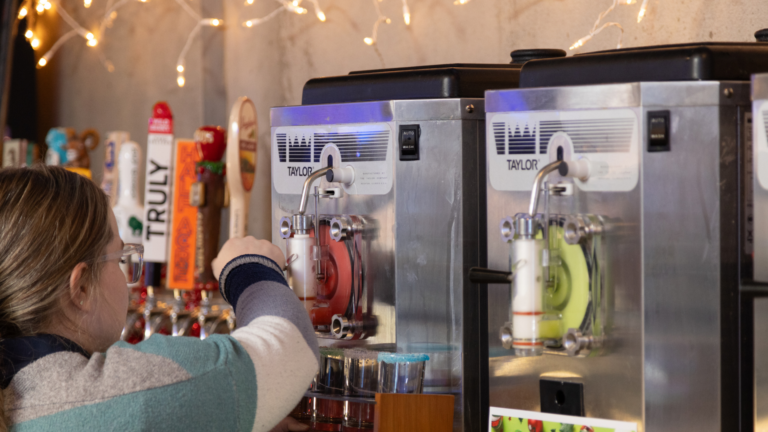
Soft serve has become a go-to option in high-traffic environments because it combines speed, consistency, and strong consumer appeal. To meet these demands, Taylor Arizona has developed equipment engineered specifically for high-volume soft serve production and dependable service.
The Core Difference: How Each Is Made
At a basic level, both hard ice cream and soft serve start with a similar base. But the way they are frozen and served creates two very different products.
Hard ice cream is typically made in a batch freezer. The mixture is churned and frozen until it reaches a firm consistency, then transferred to tubs and stored at low temperatures. It must be scooped and served from storage.
Soft serve, in contrast, is frozen as it is dispensed. The machine maintains the mix at a higher serving temperature, producing a softer texture and allowing the product to be served immediately.
This difference in process influences everything from customer experience to operational efficiency.
How Overrun Shapes Texture & Flavor
A defining feature of soft serve is overrun, which is the amount of air incorporated into the product during freezing. Overrun significantly impacts texture, volume, and taste.
- High overrun creates a lighter, fluffier texture and increases yield.
- Low overrun produces a denser, creamier product closer to traditional ice cream.
Hard ice cream generally has less overrun, resulting in a richer, heavier mouthfeel. For operators, managing overrun is also a matter of portion control and cost. Proper overrun settings ensure servings feel generous while maintaining consistency and profitability.
Equipment Differences: Batch Freezers vs. On-Demand Machines
For operators, the choice between hard ice cream and soft serve often comes down to equipment and workflow.
Hard Ice Cream Requirements
- Batch freezers
- Storage space at very low temperatures
- Scooping labor during service
Soft Serve Requirements
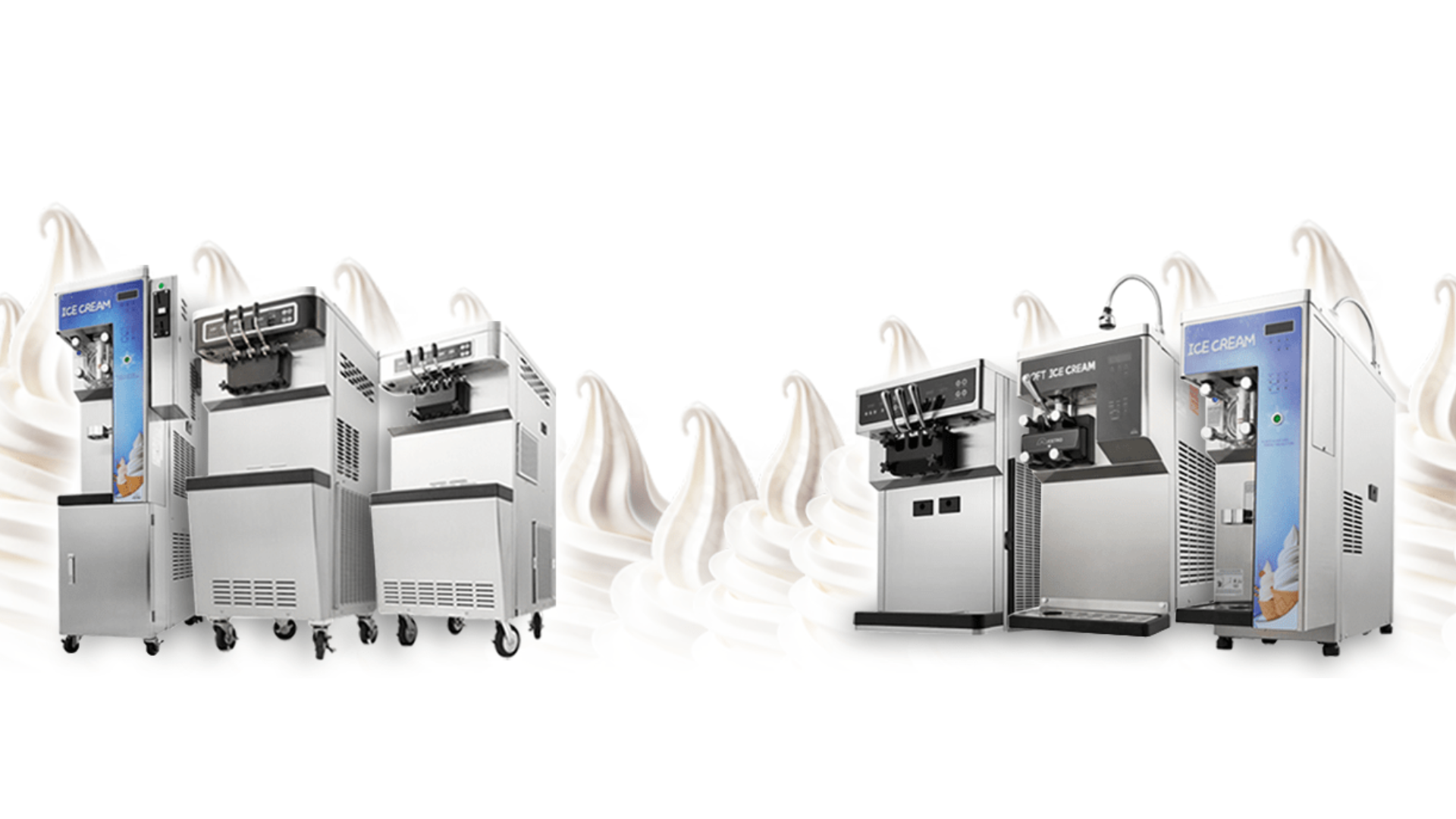
- A machine that freezes and dispenses on demand
- Stable temperature control and reliable overrun settings
- Minimal prep during service hours
In fast-paced environments, soft serve equipment is designed to meet demand quickly while maintaining consistent product quality. Taylor Arizona’s soft serve machines are built for reliability and high-volume output, supporting operations where speed matters most.
Health Perceptions: Soft Serve vs. Hard Ice Cream
A common question in foodservice is whether soft serve is healthier than hard ice cream. The answer depends on the recipe, portion size, and customer expectations.
Soft serve often contains more air due to overrun, which can reduce calorie density per serving. Hard ice cream tends to have higher butterfat and less air, which may make it richer but also more calorie-dense.
Ultimately, the perception of soft serve as a lighter option can influence customer choice, even when nutritional differences are small.
Operational Advantages of Soft Serve
Soft serve offers several advantages for foodservice operators:
- Speed of service: Soft serve is dispensed instantly without scooping.
- Consistent servings: Machines can be calibrated for uniform portions.
- Reduced labor: Less time spent scooping and storing.
- High throughput: Ideal for peak demand periods.
For businesses serving large crowds—such as amusement parks, quick-service restaurants, and concession stands—soft serve can be the most efficient option.
Storage & Serving Considerations
Hard ice cream requires cold storage and careful handling to prevent freezer burn and maintain texture. It must be scooped and served, which can slow service during busy periods.
Soft serve is stored and frozen within the machine, ready for immediate dispensing. This allows for fast turnaround and consistent texture throughout service. The machine maintains the mix at optimal temperature, so the product stays smooth and stable even during long service periods.
Why Taylor Arizona Focuses on Soft Serve Solutions
Choosing between hard ice cream and soft serve depends on a business’s goals and operational needs. Soft serve is often the preferred option for high-volume environments because it delivers speed, consistency, and customer satisfaction.
Taylor Arizona designs equipment specifically for these demands, offering a range of models from compact units to high-capacity machines. To protect performance and warranty coverage, installations and maintenance should be handled by authorized Taylor distributors.
Taylor Arizona also supports operators with training and guidance to help them get the most from their equipment, ensuring smooth operation and reliable service.
Final Scoop: The Best Choice for Fast, Consistent Service
The difference between hard ice cream and soft serve goes beyond texture. It reflects distinct production methods, equipment requirements, and operational priorities. While hard ice cream offers tradition and richness, soft serve is built for speed, consistency, and high-volume performance.
With the right equipment and support, operators can build a dessert program that delivers smooth, uniform servings and keeps customers satisfied during peak demand.
How Taylor Arizona Can Help
Taylor Arizona supports operators in selecting and maintaining the right soft serve equipment for their needs. With expert guidance, dependable machines, and authorized service support, Taylor Arizona helps businesses deliver consistent soft serve quality while maintaining efficient operations.